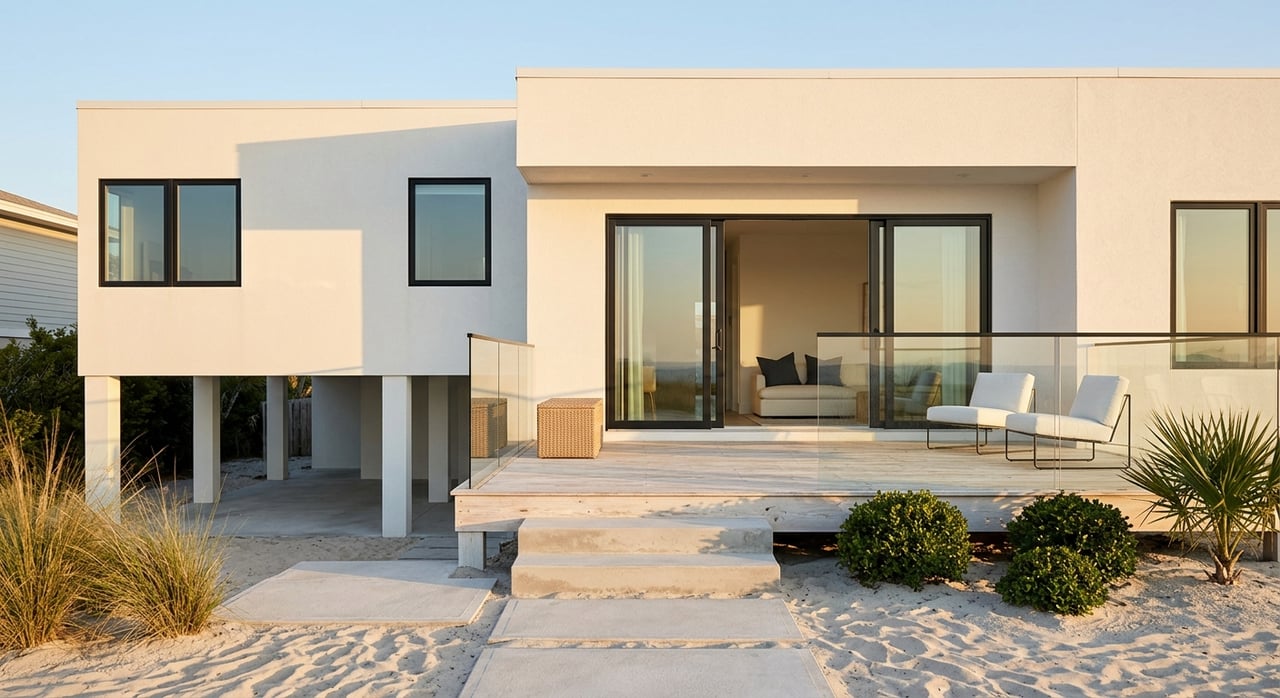
Living in Surf City NC: What Coastal Life Feels Like
June 4, 2026
June 4, 2026
Ever wonder what coastal living in Surf City actually feels like once the vacation glow wears off? If you are thinking about buying, moving, or investing here, you want more than pretty beach photos. You want to know how the town moves, what daily life looks like, and what it really means to live near the water year-round or part-time. Let’s dive in.
Surf City has the beach-town appeal people expect, but day-to-day life feels more grounded than many first-time visitors realize. It is the largest municipality on Topsail Island, spans about 10 square miles across Pender and Onslow counties, and has a year-round population of around 5,000 that rises sharply during peak tourism season.
That mix shapes the rhythm of town. In summer, the pace picks up with visitors, beach traffic, and fuller parking areas. In the off-season, things quiet down, and you get a calmer version of coastal life that many full-time and second-home owners really enjoy.
Pender County notes that the area usually sees warm temperatures from early spring through November. That longer stretch of mild weather is a big part of why Surf City feels usable beyond just a few summer months.
One of the biggest truths about Surf City is that it does not feel the same in July as it does in January. The town’s 2022 land-use plan reported that only about 32% of housing units were occupied year-round in 2019, with the rest used largely for seasonal or vacation purposes.
For you, that means lifestyle can shift depending on when you are here. Summer brings more energy, more rental activity, and more demand for beach access. The quieter months can feel slower, easier to navigate, and more local in tone.
Neither version is better. It just depends on what kind of coastal experience you want. Some buyers love the peak-season buzz, while others are drawn to the peaceful off-season rhythm.
In Surf City, beach access is not just a nice extra. It is part of how people plan their day. The town has 36 public beach accesses, which helps spread out activity and gives residents, visitors, and property owners multiple ways to get onto the sand.
The practical side matters here too. Surf City manages access through an interactive parking map and separate parking pass categories for residents, seasonal users, long-term tenants, businesses, and visitors. If you plan to own here, especially as a second-home owner or investor, understanding parking and access rules is part of understanding the market.
Beach regulations also shape the everyday experience. Pets must be leashed, glass is prohibited, charcoal grills and open flames are not allowed, personal items left overnight can be removed, and swimming or surfing is restricted within 300 feet of the pier from March 15 through December 1.
Those rules may sound small, but they tell you a lot about life here. Surf City works to keep the beach enjoyable and functional, not just scenic.
A lot of people picture coastal living as beach chairs and ocean views. In Surf City, it also looks like parks, launches, trails, fitness activities, and time on the sound side.
The town’s Parks, Recreation & Tourism department highlights a strong resident-oriented mix of amenities, including parks, playgrounds, wellness classes, athletic facilities, an off-leash Bark Park, and a disc golf course. That gives the town more day-to-day depth than a place built only around weekly vacation turnover.
Soundside Park is one of the clearest examples. It includes an ADA kayak and paddleboard launch, amphitheater, boardwalk and fishing pier, playground, picnic shelters, public boat ramp, parking, and restrooms.
That setup makes coastal living feel more flexible. On some days, you may head to the beach. On others, you might launch a paddleboard, catch an event, fish off the pier, or spend time at a park without ever crossing onto the sand.
If you spend time in Surf City, the ocean pier quickly becomes part of your mental map. The Surf City Ocean Pier is open 24/7, stretches 937 feet, and includes lighting for night fishing, fish-cleaning stations, a bait and tackle shop, a grill and ice cream counter, and live webcams with surf-report links.
That makes it more than a landmark. It is a practical stop, a social spot, and a routine part of coastal life for many people. You can check the surf, grab a bite, fish after dark, or simply use it as a reference point for the day.
For buyers, that kind of feature matters. It helps explain why certain areas feel more connected to daily activity and why some parts of town have a stronger beach-town energy than others.
The social side of Surf City tends to feel casual and recognizable. You are not looking at a giant city dining scene. Instead, you get a smaller set of spots that become part of people’s routines.
On the coffee side, Surf City Coffee on Roland Avenue opens daily at 7:00 AM. Sea Blue Coffee and Ice Cream on South Shore Drive is family-owned, open daily from 7:00 AM to 9:00 PM, and sits close to beach accesses 18 and 19.
Dining follows a similar pattern. Daddy Mac’s Beach Grille offers oceanfront dining and serves lunch and dinner through the off-season, along with Sunday brunch. Marina Joes positions itself as a waterfront restaurant and bar with dockside views and local oysters. The pier also works as a casual food stop with outdoor seating.
What this means for you is simple. Surf City feels lived-in. Even with a tourism cycle, there are places that support repeat routines, not just one-time vacation stops.
A coastal town can look great on paper and still feel empty outside tourist months. Surf City stands apart because its event calendar supports activity across the year.
Recent town events have included the Shop the Sound Craft and Farmers Market at Soundside Park, the Backyard Beach Bash with live music and food trucks, and the Greater Topsail Area Christmas Market and Flotilla in December. That range gives the town a more connected, community-centered feel.
For full-time residents, that can make it easier to settle into a routine. For second-home owners, it means there is still life here beyond peak beach season. For investors, it reinforces that Surf City has appeal in more than one part of the calendar.
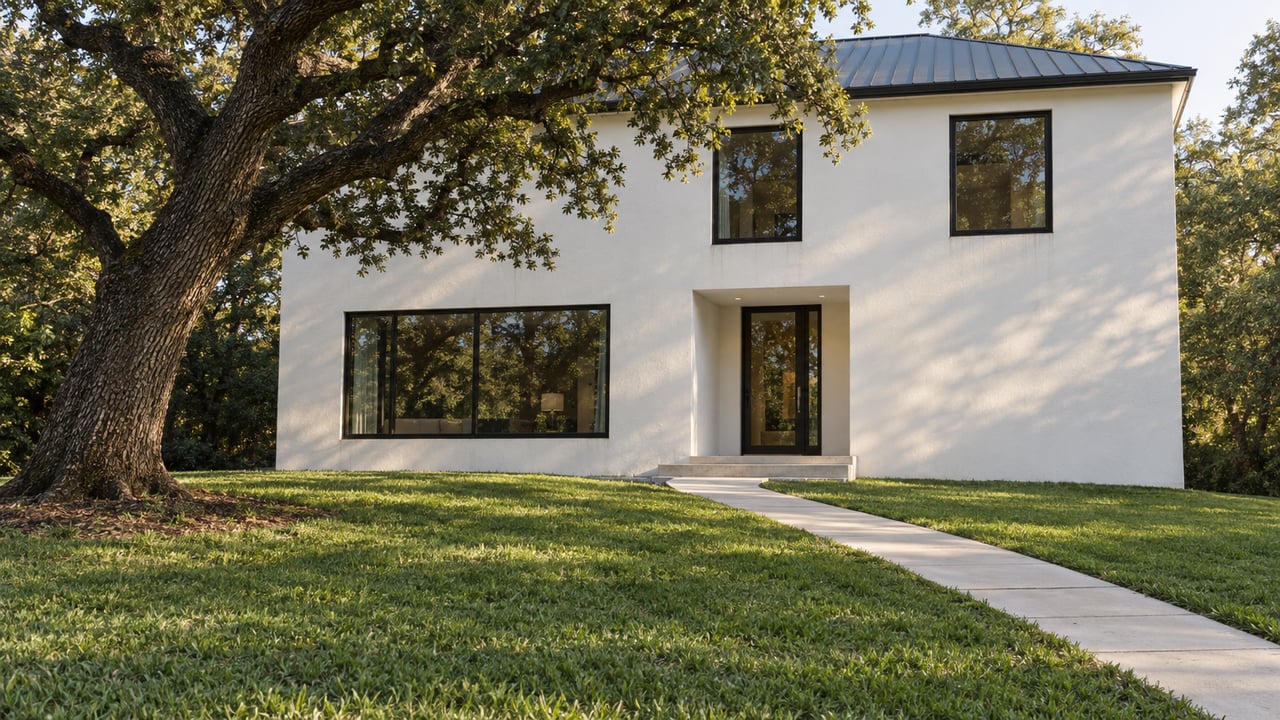
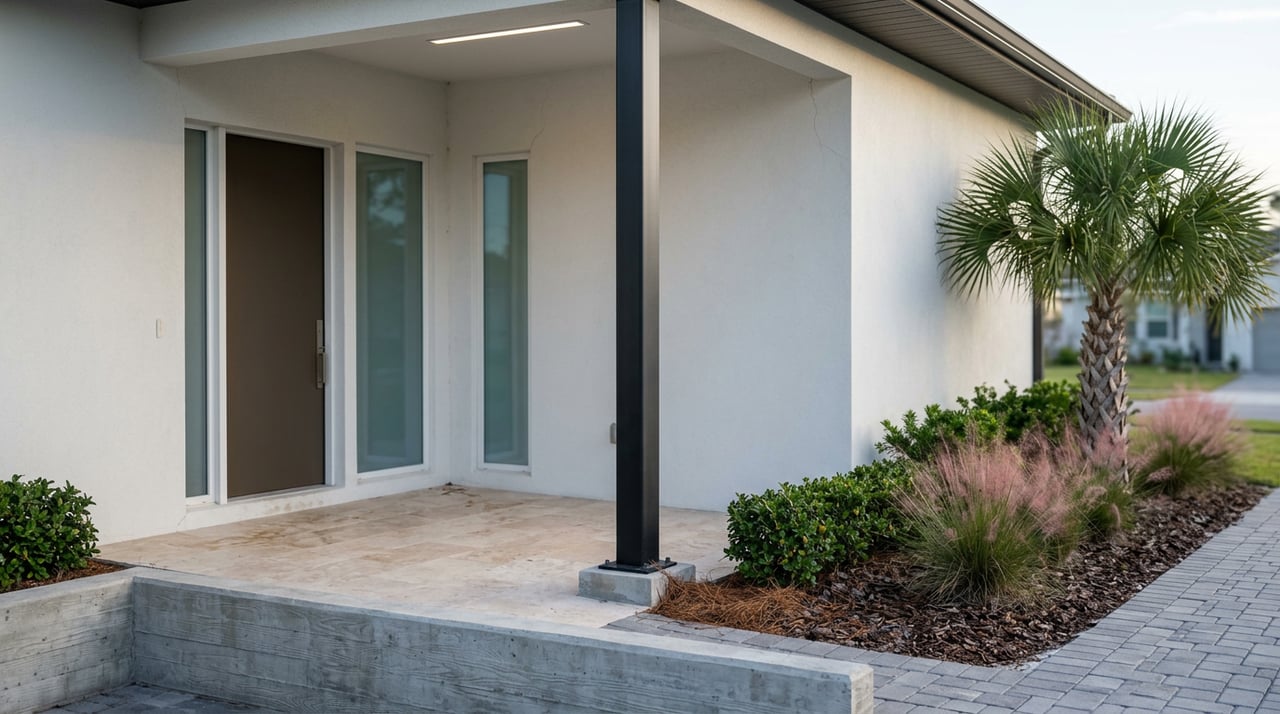
Surf City is not a one-product market. The zoning framework includes low-density and medium-density residential districts that allow single-family detached homes, twins, and duplexes. Town planning guidance also points to limited townhome and higher-density residential development in mixed-use areas.
In current listing portals, buyers can find houses, condos, townhouses, and some multi-family properties. That variety is one reason Surf City appeals to different types of buyers, from full-time residents to second-home shoppers to buyers looking at income potential.
The overall feel still leans coastal and low-rise. Town planning materials describe steady growth over the last 30 years, but the housing mix remains more varied and less vertical than many larger beach destinations.
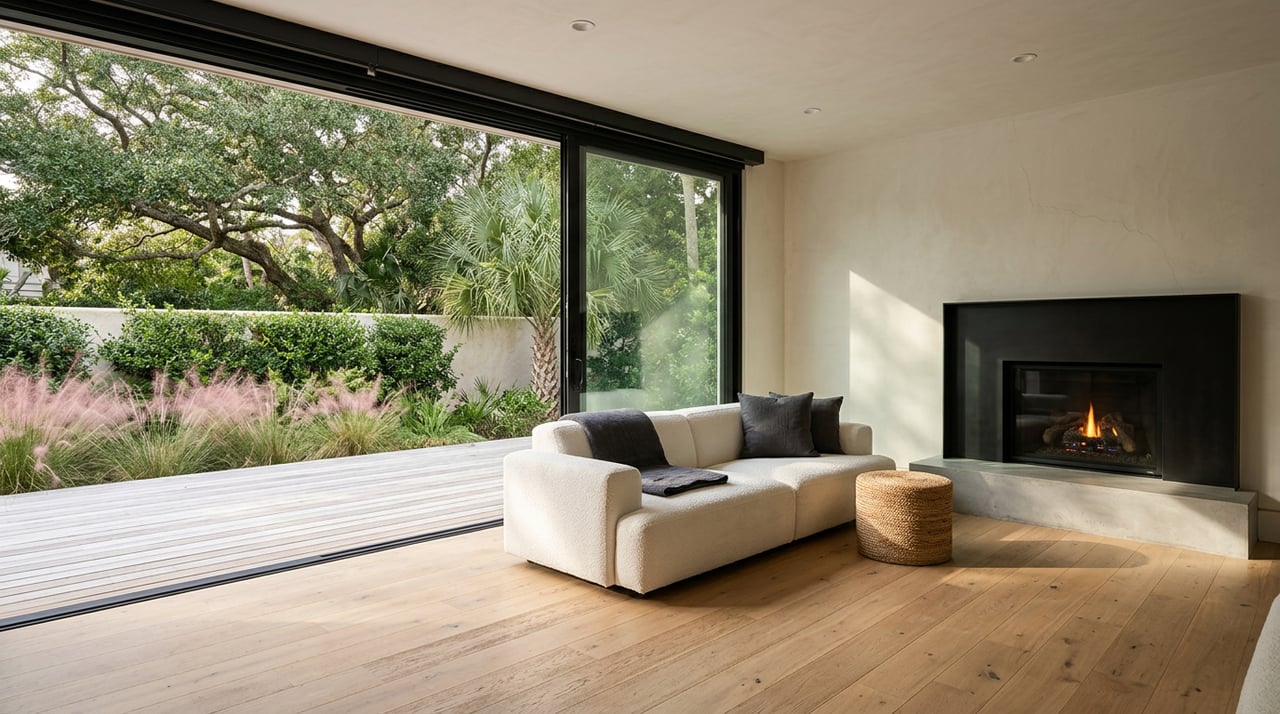
If you are considering Surf City, lifestyle fit matters just as much as property type. A home near the beach may offer quick sand access and stronger vacation energy, while another area may feel quieter or more connected to parks, sound access, or everyday routines.
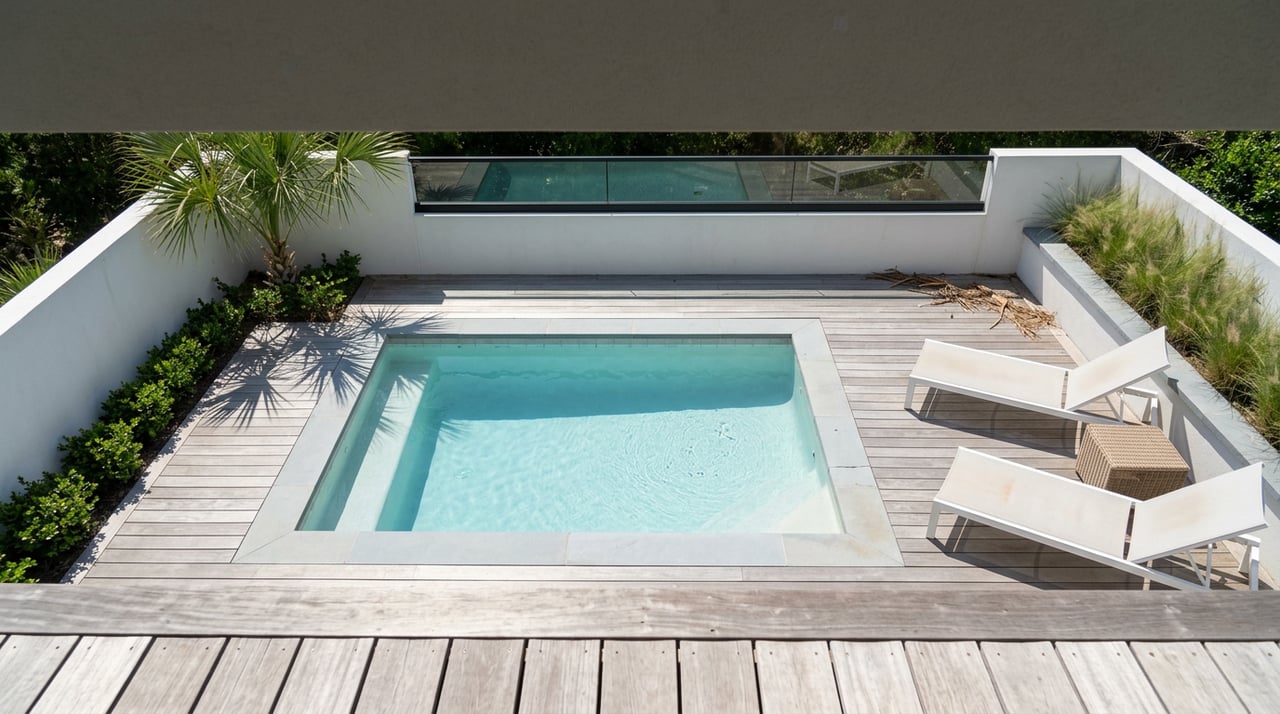
It also helps to think about how often you plan to be here. If you are buying a primary residence, you may focus more on year-round livability and the seasonal rhythm. If you are buying a second home or investment property, beach parking, access patterns, and summer activity may play a bigger role in your decision.
The right purchase often comes down to matching the property to how you want to use Surf City. That is where local context becomes especially valuable.
If you own property in Surf City, buyers are often looking for more than square footage. They want a picture of daily life. They are trying to understand whether your home fits a full-time lifestyle, a second-home escape, or an investment strategy.
That means strong presentation matters, but so does local storytelling. The details that help buyers connect are often practical and lifestyle-based, like beach access, proximity to the pier, nearby parks, parking realities, and how the home fits into Surf City’s seasonal rhythm.
When your marketing reflects how the town actually lives, buyers can make faster and more confident decisions.
Surf City coastal living feels like a blend of salt air, simple routines, seasonal energy, and practical know-how. It is beach days and soundside sunsets, but it is also parking passes, local events, early coffee runs, and knowing when the town gets busy or quiet. If you want help finding the right fit in Surf City, whether that means a primary home, second home, condo, bungalow, or income property, Ariana Blevins can help you navigate it with local insight and responsive guidance.
Stay up to date on the latest real estate trends.

Ready to ride the wave to your dream home? Contact Surf City local Ariana Blevins today, whether you're looking to buy, sell, or invest, she'll guide you every step of the way!