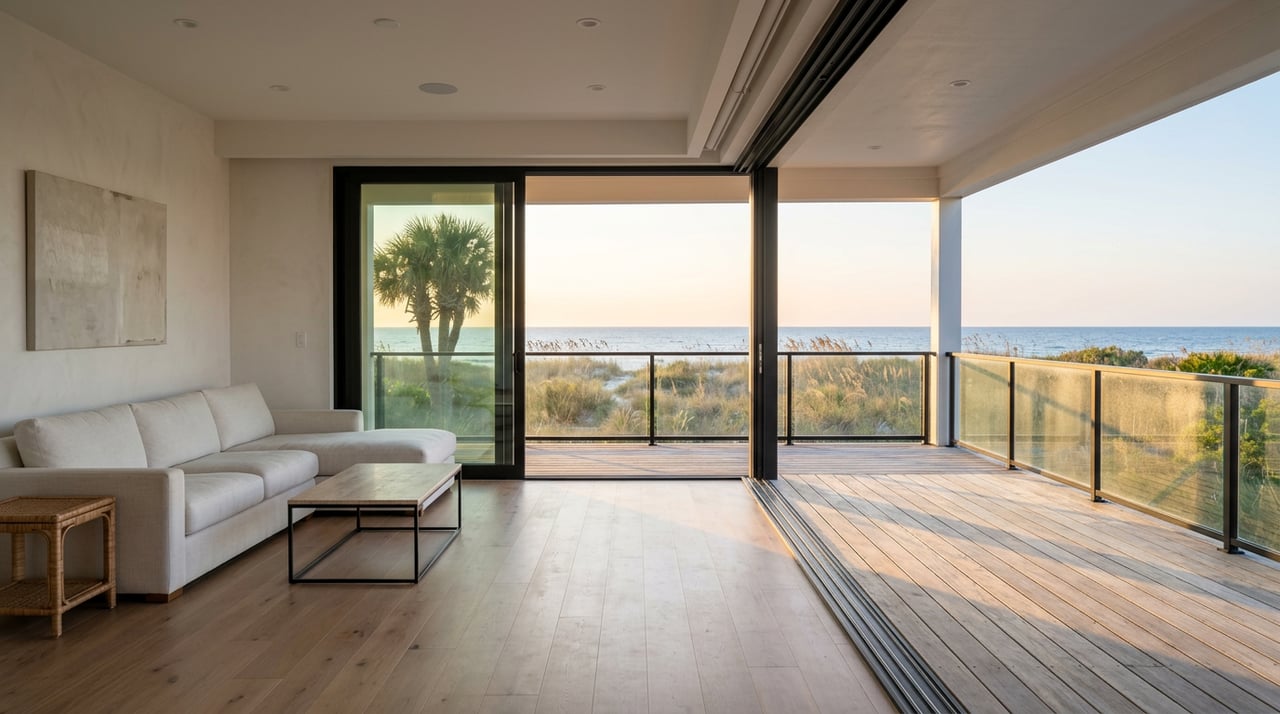
Surf City vs Topsail Beach: Choose Your Second Home
March 5, 2026
March 5, 2026
Torn between Surf City and Topsail Beach for your second home? You are not alone. Both sit on the same beautiful barrier island but deliver different vibes, price points, and rental dynamics. In this guide, you will see clear, data-backed differences, a simple rental pro forma, and a practical checklist so you can choose with confidence. Let’s dive in.
Surf City offers a wider mix: condos, cottages, newer single-family homes, soundside options, and oceanfront properties. As of Jan 2026, aggregator snapshots show a Zillow ZHVI near $612,785 and a Redfin median sale around $602,450. Methods differ by source and time window, so use these figures as bookends while you review current listings.
Topsail Beach has a smaller year-round base and tighter inventory. Oceanfront lots and homes are more common, which pulls medians higher. Recent snapshots place its Zillow ZHVI near $927,202 and Redfin median around $1.2M. Expect bigger gaps between oceanfront and soundside pricing because supply is constrained.
Both towns support active short-term rental markets, with peak demand in summer. Recent market snapshots show:
Pender County and the towns collect a 6 percent occupancy tax that applies to short-term stays. Plan to remit this tax as part of your rental operations, and confirm procedures with the town finance office. For authoritative rule updates, use each town’s permitting and regulations pages. Surf City outlines permitting and regulations for development and rentals, and Topsail Beach posts visitor access and parking details, with rental rules managed via town hall.
Use market medians as starting inputs, then adjust for your property’s location, size, and management approach.
These figures are directional. Oceanfront, walkability, amenities, guest capacity, and professional marketing can move results up or down.
Surf City is activity-forward. The landmark Surf City Ocean Pier anchors fishing and foot traffic, and seasonal events cluster around Soundside Park. The town maintains mapped public beach accesses and seasonal paid parking, with permits and passes available to simplify guest logistics.
Topsail Beach leans quiet and residential, with a traditional main corridor and designated ocean and sound access points. The town operates seasonal paid parking in specific lots with posted hourly or daily rates. If you value a calmer beach rhythm with fewer commercial nodes, this setting often fits.
Island-wide, you will also find family-friendly learning and conservation experiences such as the Karen Beasley Sea Turtle Rescue & Rehabilitation Center, plus museums, kayak tours, and marsh excursions that draw visitors each season.
Before you buy, verify the property’s flood zone and elevation. Surf City’s Floodplain Development page links to FEMA and North Carolina FRIS resources, and outlines local compliance standards and freeboard requirements. Your flood zone will affect mortgage requirements, flood insurance eligibility, and premiums.
Coastal insurance often splits between wind or hurricane coverage and a separate flood policy. Expect percentage wind deductibles and plan a storm reserve. Shoreline nourishment and island resiliency efforts occur on Topsail Island, so ask for the property’s erosion history and any nearby projects. Property taxes vary by municipality and special districts, so request exact figures from the local tax office when you identify a target address.
Helpful links:
Choose Surf City if you want walkable amenities, a wider range of price points, and a lifestyle that mixes beach days with dining and events. Choose Topsail Beach if you want a quieter residential setting and are targeting oceanfront homes at higher budgets. Both can support a second-home and rental strategy when you underwrite with current data and a realistic expense plan.
Ready to explore properties that match your goals and budget? Schedule a friendly, no-pressure consult with local expert Ariana Blevins to map your shortlist and next steps.
Stay up to date on the latest real estate trends.

Ready to ride the wave to your dream home? Contact Surf City local Ariana Blevins today, whether you're looking to buy, sell, or invest, she'll guide you every step of the way!