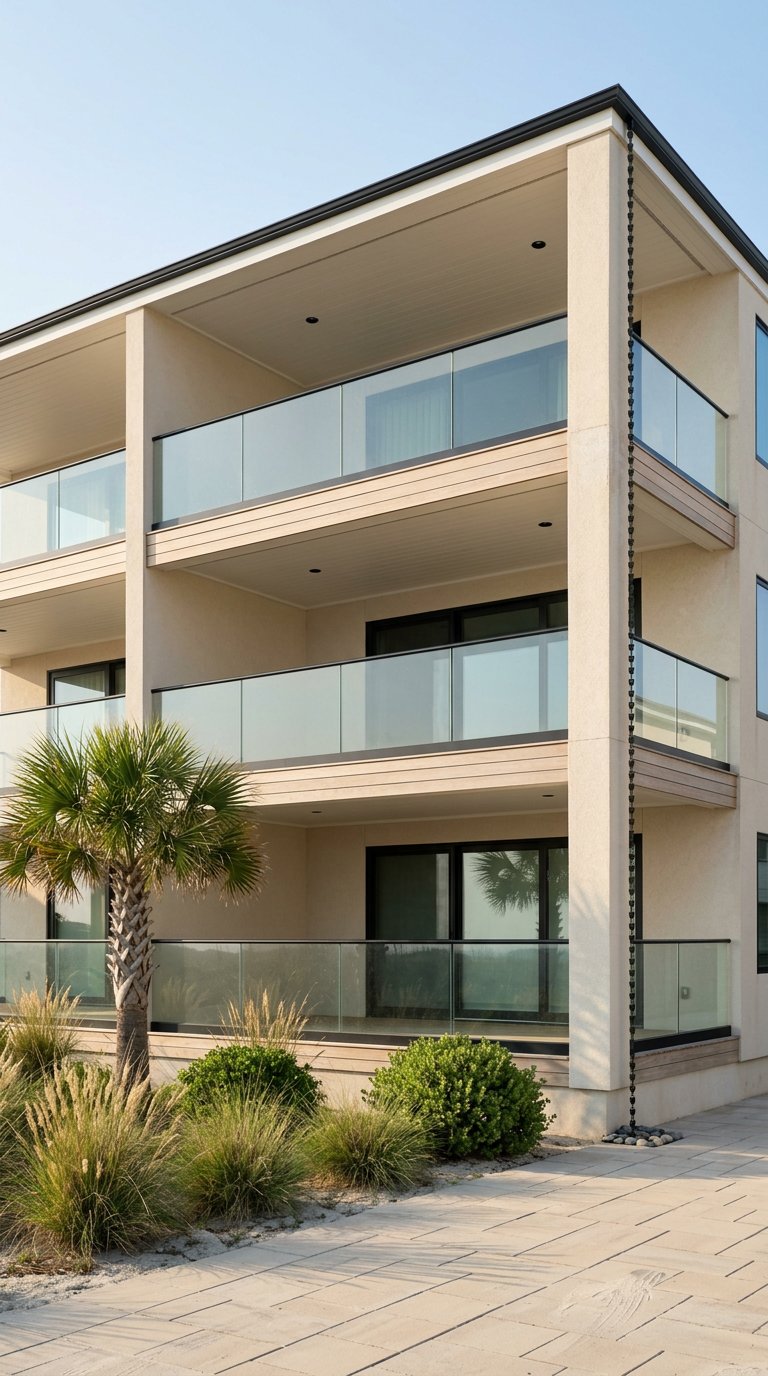
Guide to Wrightsville Beach Oceanfront Condos
March 24, 2026
March 24, 2026
You can hear the waves, see the sunrise from your balcony, and lock the door when you head home. That is the appeal of an oceanfront condo in Wrightsville Beach. If you are eyeing 28480 for a second home or an investment, you also want a clear picture of prices, building types, rules, and real costs. This guide walks you through what to expect, what to verify, and how to buy with confidence. Let’s dive in.
Wrightsville Beach is a premium, low‑inventory barrier‑island market. Oceanfront condo prices span a wide range based on building age, size, floor level, view, and renovation quality. On any given week you might see:
Because listings change quickly, treat these as orientation points. Your exact budget should be set after reviewing live comps for your target building and floor.
Not all oceanfront condos live or finance the same way. On Wrightsville Beach you will see several building styles that shape your experience and ROI.
Some oceanfront properties operate like a hotel with centralized rentals and onsite management. Shell Island Resort is a long‑standing local example with a central program documented by the Shell Island HOA. These can be great for turnkey rental operations, but they may affect owner control, revenue splits, and mortgage options.
Many buildings from the 1970s through the 1990s offer 2‑bedroom floor plans and straightforward condo ownership. HOAs and amenities vary. Some associations handle extensive building insurance and common‑area costs, which can increase dues, while others keep a leaner budget. Always review the current budget and reserve levels.
Newer towers and fully renovated communities deliver premium finishes, elevators, and resort amenities. Smaller townhouse‑style or boutique buildings can offer more owner control and, in some cases, simpler financing. Understand the tradeoff between higher purchase price or dues and the benefit of newer systems and finishes.
You will want a full, written cost picture before you fall in love with a view. Here is what to verify for any unit.
Association fees vary widely by building and what is included. Some HOAs cover roof and exterior maintenance, elevators, pools, landscaping, management, reserves, and a master building insurance policy that can include wind and flood for the structure. Others require more from individual owners. Ask for the full HOA budget, reserve study if available, and the insurance declarations page. These documents tell you if dues are likely to rise and whether a special assessment is on the horizon.
The Town of Wrightsville Beach notes that the entire town lies within a Special Flood Hazard Area. In practice, most buyers with a mortgage will need flood insurance, and premiums can be significant along the oceanfront. Review the town’s guidance on flood risk and preparedness in the Wrightsville Beach flood resource. For accurate quotes, use the unit’s elevation certificate and obtain written estimates from both NFIP and private carriers. Do this before you remove any contingencies.
New Hanover County’s adopted ad valorem tax rate is 30.6 cents per $100 of assessed value. You can review the current rate on the county’s FY25–26 budget page. Wrightsville Beach also has a town rate. Calculate your total tax using the combined county and town rates at the time you buy.
If you plan to rent nightly or weekly, you must register and remit room occupancy taxes. New Hanover County outlines who must collect and how to file on its Room Occupancy Tax information page. Expect monthly filings and plan for this in your management workflow.
Before you underwrite any purchase around rental income, confirm the legal and association framework.
North Carolina’s land use law shapes what towns can regulate for short‑term rentals. Chapter 160D establishes limits on broad rental registration programs while allowing municipalities to regulate things like parking, occupancy, and noise. You can read the statute for context in Chapter 160D. Policies can evolve, so verify current town practices with your agent and attorney.
Even if the town permits short‑term rentals, your HOA might not. Some condo communities require minimum rental terms such as 30 days. Others use centralized programs with specific calendars. Shell Island Resort, for example, outlines its program on the HOA site. Secure the governing documents and resale certificate to understand minimum stays, approval processes, and any blackout dates or fees.
Wrightsville Beach is highly seasonal. Summer brings higher occupancy and stronger nightly rates, with shoulder seasons trailing off. Third‑party analytics show this seasonal pattern across the market. You can explore a market overview of seasonality on AirROI’s Wrightsville Beach page, then have a local manager build a 12‑month pro forma for your specific unit and building.
Before you write an offer, talk with your lender about the condo project itself. Many lenders use Fannie Mae’s Condo Project Manager or similar tools to confirm whether a project is eligible for conventional financing. Non‑warrantable projects, such as some resort or condotel properties, may require larger down payments or portfolio loans. Learn more about project checks in Fannie Mae’s CPM FAQs.
Ask your lender to:
Use this step‑by‑step list to reduce surprises and keep your timeline tight.
Every buyer weighs convenience, control, and cost differently. Here is a simple way to compare.
Condo advantages
Condo tradeoffs
Single‑family advantages
Single‑family tradeoffs
Wrightsville Beach participates in recurring beach nourishment and inlet management projects. These efforts can protect oceanfront property and access, but they require funding and are subject to scheduling and policy decisions. For background on erosion rates and setback factors used along North Carolina’s coast, review the state’s coastal analysis on oceanfront and inlet erosion. When comparing buildings, ask for any history of dune restoration, seawall or bulkhead work, and how those projects have been funded.
Buying an oceanfront condo in Wrightsville Beach is both lifestyle and logistics. With a clear plan for HOA review, insurance, financing, and STR rules, you can secure the view you want without surprises. If you would like local guidance, a custom list of on‑market options, and a clean due‑diligence workflow, connect with Ariana Blevins for a free consult.
Stay up to date on the latest real estate trends.

Ready to ride the wave to your dream home? Contact Surf City local Ariana Blevins today, whether you're looking to buy, sell, or invest, she'll guide you every step of the way!