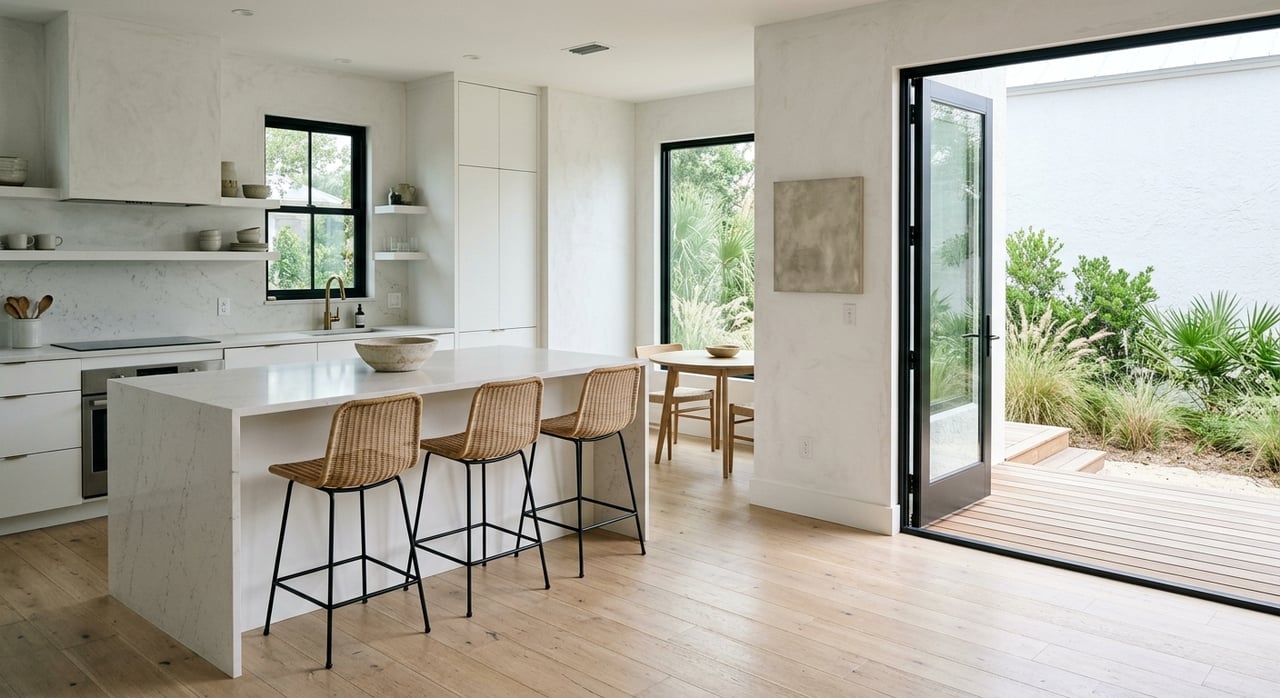
A Look at Surf City Rental Seasons and Demand Peaks
June 25, 2026
June 25, 2026
If you are thinking about buying, selling, or using a vacation property in Surf City as a short-term rental, one question matters fast: when does demand actually rise and fall? That matters because Surf City is not a flat, year-round rental market. It has clear seasonal swings that affect pricing, booking pace, property setup, and buyer expectations. If you understand those rhythms, you can make smarter real estate decisions in this beach market. Let’s dive in.
Surf City’s short-term rental market follows the pattern you would expect from a coastal destination with a strong summer draw. The town’s land-use plan notes that Surf City serves seasonal and permanent overnight visitors along with day-trippers, and its peak seasonal overnight population can top 29,000. That is more than 7.5 times the permanent population, which tells you just how much the market changes during busy periods.
The same town planning document points to Memorial Day, July 4th, and Labor Day as the biggest spikes. It also notes that lower-traffic weekdays and non-peak weekends are closer to 75% of peak overnight population. In practical terms, that means Surf City demand tends to build around summer and holiday travel rather than stay steady every month.
That seasonal pattern is also supported by the broader visitor economy in Pender County. In 2023, the county reported $199.12 million in visitor spending, more than 1,000 tourism jobs, and about $9.1 million in local taxes from travel-supported businesses. For buyers and owners, that is a strong sign that rental demand is tied to a real tourism base.
Public booking data shows a very clear summer high point. According to AirROI’s Surf City market snapshot, July is the peak month for both revenue and demand, while January is the softest month of the year. That gives you a straightforward starting point when you look at rental performance or evaluate an investment property.
For June through August, the market averages $9,062 in monthly revenue, 57.4% occupancy, and a $467 average daily rate. Those numbers reflect the compression that often happens in a beach market when travelers compete for prime summer weeks. If you are shopping for a property with rental potential, this is the stretch buyers usually pay close attention to.
This seasonal pressure also helps explain why many beach homes are marketed around summer readiness, guest capacity, and easy access to the coast. In Surf City, the warm-weather window is where much of the year’s demand gets concentrated.
Another important detail is how far ahead guests tend to book. AirROI reports a 67-day average booking lead time across the market, but July stays are booked about 96 days out on average. That means high-demand summer weeks are often planned well in advance.
If you are an owner, that affects how early you need to prepare your calendar and pricing. If you are a buyer, it helps you understand why a well-positioned home can attract attention long before peak season actually begins.
Surf City’s off-season is not just a little slower. It is meaningfully softer. For January, February, and November, AirROI reports average monthly revenue of $2,627, average occupancy of 23.8%, and a $384 average daily rate.
Compared with the summer period, that is a major drop in both occupancy and revenue. The nightly rate does not fall as sharply as occupancy does, which shows that the bigger challenge in the low season is often demand volume rather than nightly pricing alone.
Winter travel also tends to book closer in. AirROI reports winter stays are booked about 35 days out on average. That shorter booking window can make off-season planning feel less predictable for owners and can shape how buyers think about carrying costs and personal use.
Between the busiest summer weeks and the quietest winter stretch, Surf City has shoulder periods that can still play an important role. The town supports year-round programming through its Parks, Recreation & Tourism department, and it maintains 36 public beach accesses. At the same time, the town’s visitor setup still points to a stronger warm-season pull, including seasonal parking pass use from March 1 through October 31.
For many owners, that means spring and early fall may still offer meaningful booking opportunities, especially for travelers who want a beach trip outside the most crowded dates. These periods may not perform like peak summer, but they are part of the market’s full seasonal picture.
Surf City appears to be more holiday-sensitive and weekend-sensitive than commuter-sensitive. The town’s planning documents specifically call out Memorial Day, July 4th, and Labor Day as especially busy periods. That is useful context if you are estimating the rhythm of bookings across the year.
While the available data does not publish a full day-by-day occupancy table, it supports a reasonable takeaway: demand tends to rise around major beach travel weekends and seasonal milestones. For owners and buyers, that means a few key calendar windows may carry outsized importance.
The type of inventory in Surf City also tells you a lot about how the short-term rental market works. AirROI reports that 92.6% of active rentals are entire homes or apartments, 75.7% are houses, and 70.3% have three or more bedrooms. It also reports that 86.2% of listings can host six or more guests, with the average setup built for 6.9 guests.
That profile points to a market shaped by vacation stays, group travel, and shared family use. If you are looking at second homes or investment properties, flexible layouts and guest-ready capacity matter because that is what much of the active inventory is already offering.
This is one reason Surf City often appeals to buyers who want a property they can enjoy personally while also making it work for rental use. Homes that support both goals tend to align naturally with the market’s seasonal demand patterns.
AirROI reports that 97.8% of guests are domestic, with Raleigh and Charlotte identified as key origin markets. That suggests Surf City functions strongly as a regional drive-to beach market. In other words, demand is not built around far-away air travel as much as planned road-trip vacations.
That can be helpful for owners and buyers because drive markets often support repeat travel habits. It also fits the way many visitors use Surf City, especially for summer weeks, holiday stays, and short coastal getaways.
One of the biggest mistakes in a seasonal market is treating every month the same. Surf City’s public booking data supports a split strategy. June through August usually call for higher rates and tighter minimum stays, while January, February, and November may require more flexible pricing or promotions.
That is not just about chasing bookings. It is about matching your approach to how demand actually behaves. In peak season, compression gives owners more pricing power. In the soft season, guest value becomes more important.
Cleaning fees are part of that equation too. AirROI says 94.7% of listings charge a cleaning fee, with an average fee of $367. It also reports that the average fee burden is 13.9% of gross revenue, which means total trip cost can matter a lot, especially when demand is softer.
Surf City offers opportunity, but results are not uniform. AirROI reports average annual revenue of about $41,851, a $420 average daily rate, and $175 RevPAR across the market. At the same time, the gap between stronger and weaker performers is wide.
The top 10% of listings reach $311 RevPAR, while the bottom 25% are around $96. That spread shows how much location, condition, presentation, and pricing discipline can influence results. If you are buying or selling a short-term rental property, broad averages are helpful, but property-specific positioning matters just as much.
Presentation can also shape performance in this market. AirROI reports an average of 44 photos per listing and notes that hot tubs are a revenue-positive amenity. In a competitive seasonal market, details that improve guest appeal can help a home stand out during both peak and shoulder seasons.
If you are evaluating a short-term rental in Surf City, it is important to understand the local occupancy tax framework. Pender County defines a short-term rental as an accommodation provided to the same person for less than 90 continuous days. The county levies a 6% occupancy tax on rentals in Surf City town limits.
The county also states that the tax is due monthly on the 15th of the following month. For owners and buyers, that is one more reminder that successful rental planning is not just about summer revenue. It also includes operations, reporting, and total cost awareness.
If you are a buyer, Surf City’s short-term rental seasons should shape how you evaluate a property’s layout, calendar potential, and likely use case. A home that sleeps larger groups, shows well online, and fits summer travel demand may line up better with the way this market actually performs.
If you are a seller, seasonal context can help you present the property more effectively. A guest-ready home with strong visual appeal, flexible use, and a clear understanding of seasonal demand can make more sense to second-home buyers and rental-minded shoppers.
Whether you are buying your first beach bungalow, selling a guest-ready home, or comparing income potential across Surf City and the Topsail Island corridor, local market timing matters. The season is not a side detail here. It is part of the story.
If you want help understanding how a specific Surf City property fits today’s seasonal demand patterns, Ariana Blevins can help you evaluate the opportunity with local insight and clear, responsive guidance.
Stay up to date on the latest real estate trends.




Ready to ride the wave to your dream home? Contact Surf City local Ariana Blevins today, whether you're looking to buy, sell, or invest, she'll guide you every step of the way!