Topsail Beach Bungalow Living: What It’s Really Like
February 5, 2026
February 5, 2026
Salt air on your morning porch, sandy feet after sunset walks, and the sound of waves at night — owning a beach bungalow in Topsail Beach is a lifestyle as much as a home. If you’re dreaming of that easy coastal rhythm, you also want clarity on upkeep, insurance, rental basics, and what daily life really feels like on the island. In this guide, you’ll learn what to expect season by season, how to care for a bungalow in a salt-heavy climate, and how to plan for storms, permits, and occasional rentals. Let’s dive in.
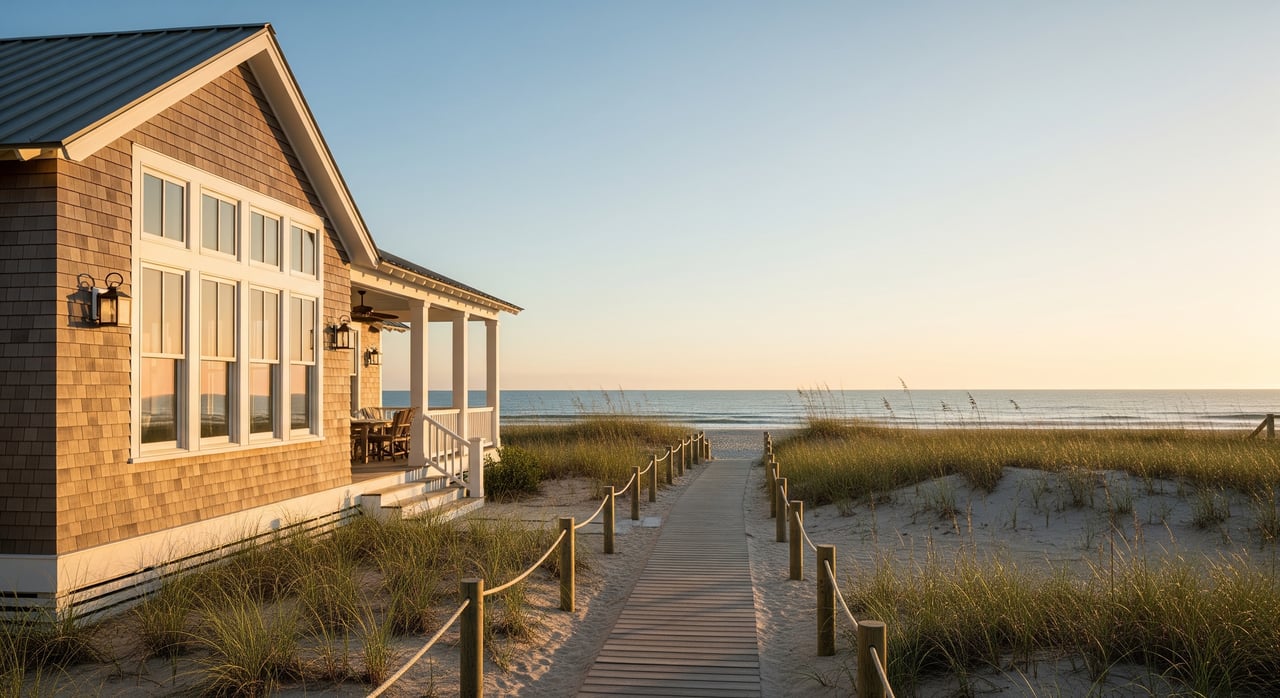
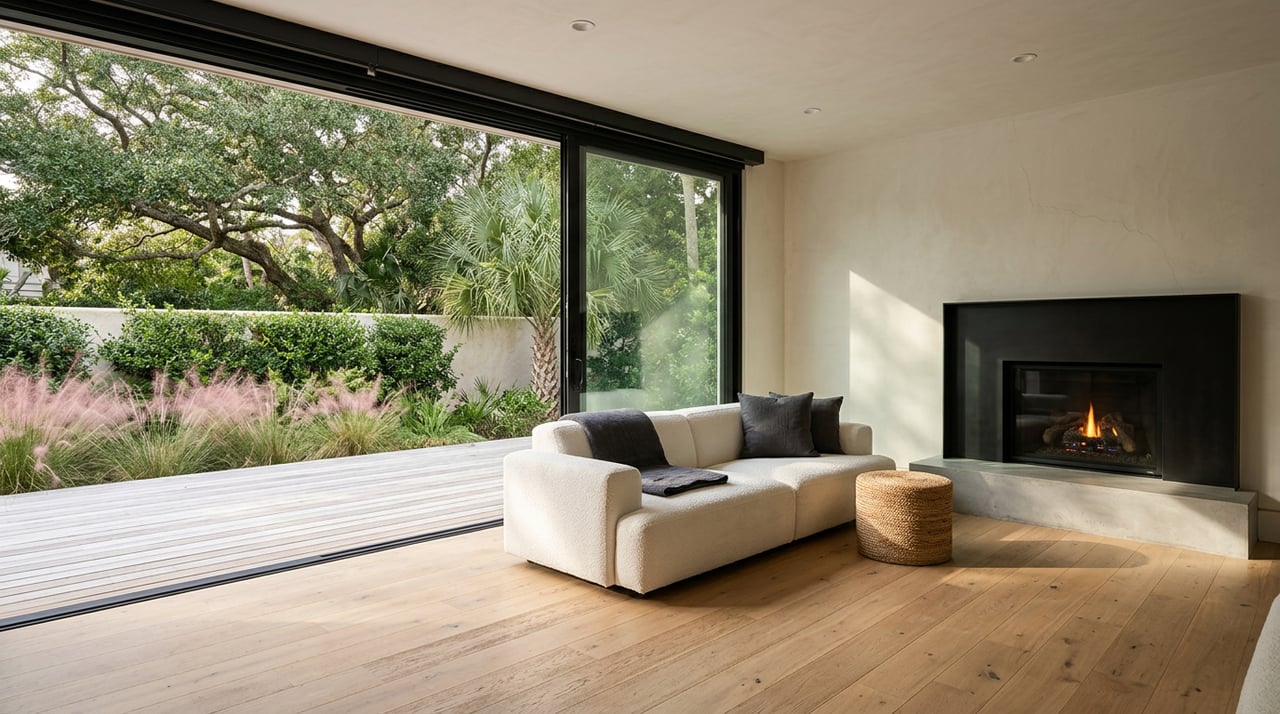
You live close to the water, so most days revolve around the beach. Think coffee on the deck, morning walks, fishing or surfing sessions, and casual dinners with doors open to the breeze. Interiors are often compact and simple, with smart storage for boards, kayaks, and beach gear.
From late spring through summer, you’ll feel the energy rise with visitors and rental activity. Roads get busier and restaurants hum. Fall and winter are quieter and relaxed, with more open beaches and slower days. Atlantic hurricane season runs June 1 through November 30, so you’ll keep a readiness routine and follow local guidance during storm events.
Many bungalows sit within easy walking distance of the beach. For bigger errands or specialty services, you’ll likely drive to nearby towns on or off the island. Parking and guest spots can be tight in some areas, so evaluate driveway capacity and street rules before you buy.
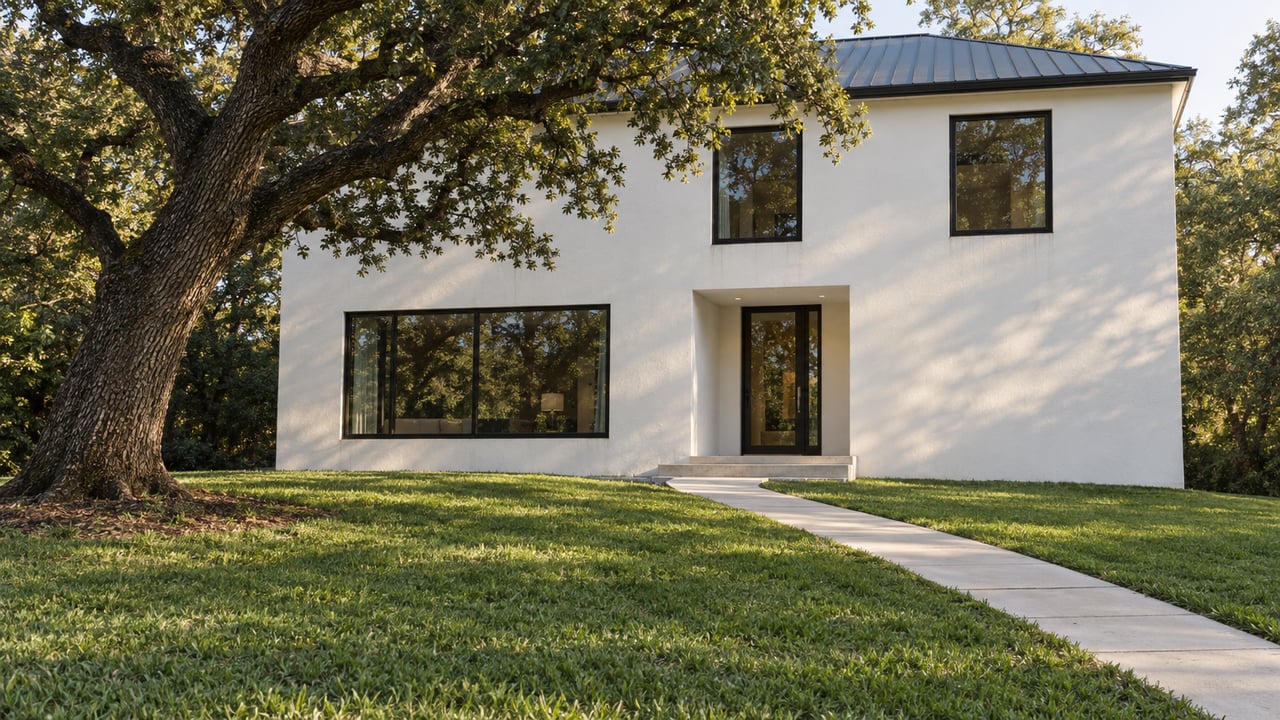
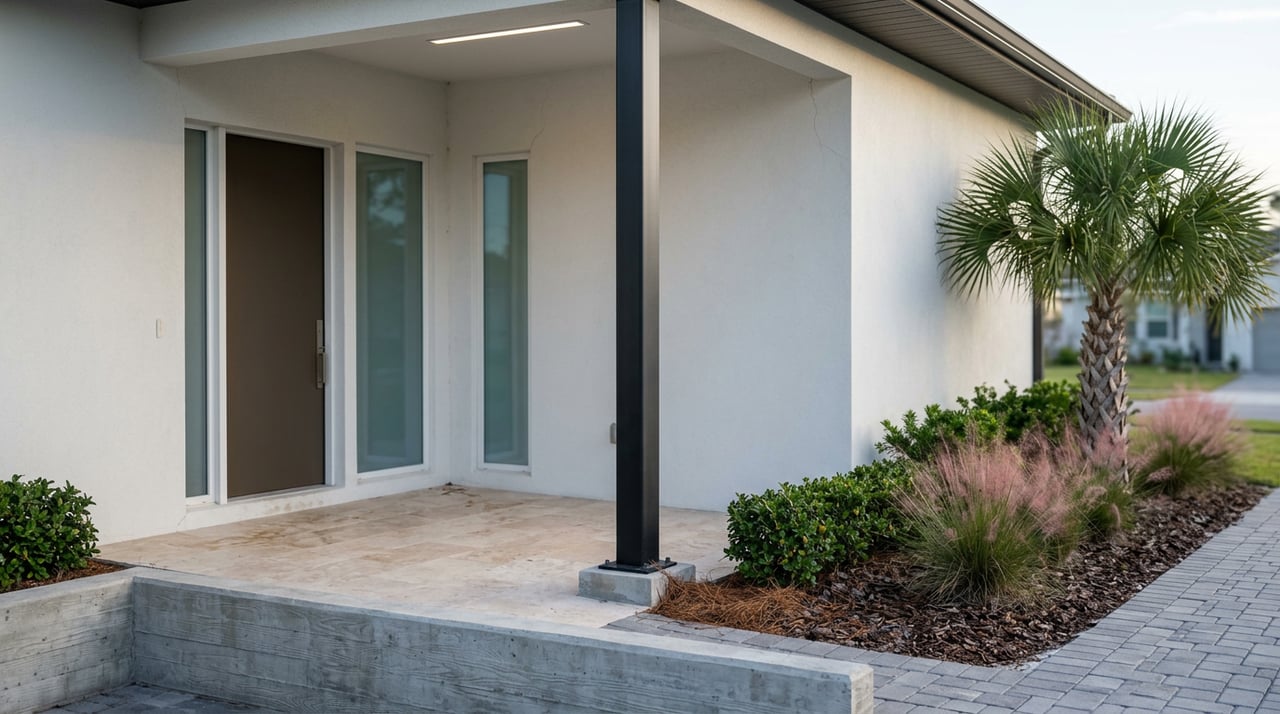
Most classic bungalows are modest and often elevated on pilings to address flood risk. You’ll see porches and decks oriented to catch ocean views or breezes, plus siding designed for coastal exposure. Utilities are typically elevated, and roofs may be metal or shingle depending on age and updates.
Salt, sun, and humidity work harder on homes near the ocean. Plan for:
Coastal living includes storm preparation. Elevated foundations and flood vents are common in many areas, and some properties experience shifting dunes or overwash during significant storms. When local authorities issue evacuation orders, you should expect to secure the property and leave. Keep a plan for utilities, personal items, and an inventory of key documents so you can act quickly.
Insurance is a major planning item for coastal homes. Budget for homeowners coverage, wind or hurricane coverage when applicable, and flood insurance if the property is in a mapped flood zone or your lender requires it. Premiums vary by elevation, construction, and location, so get local quotes early and ask your lender about elevation certificates for underwriting.
Permitting for additions or major changes typically runs through the Town of Topsail Beach and may involve county or state coastal management rules, especially for work near dunes. Wind-resistant standards, hurricane straps, and elevation requirements are common. For financing, some lenders apply stricter terms or down payments in higher-risk zones, and they may review association details if your bungalow is within an HOA or condo regime.
Short-term rentals are common on the island and can help offset ownership costs in peak season. If you plan to rent:
Topsail Beach has a small-town feel with a community focused on the coast. You’ll find essentials on the island, with expanded options a short drive away in nearby towns. Expect seasonal traffic increases and plan around popular weekend times. For utilities, confirm providers for electric, water and sewer, trash and recycling schedules, and available internet options in your specific location.
Ready to find the right bungalow and make a smart, confident move? Connect with Ariana Blevins to explore listings, compare options, and map your next steps. Schedule a free consultation today.
Stay up to date on the latest real estate trends.

Ready to ride the wave to your dream home? Contact Surf City local Ariana Blevins today, whether you're looking to buy, sell, or invest, she'll guide you every step of the way!