Thinking about buying or selling in Surf City but not sure when to make your move? In a beach town, the market shifts with the tide. Listings, buyer traffic, days on market, and negotiation power all change across the year. In this guide, you’ll learn how seasonality works in Surf City on Topsail Island, how different property types behave, and what that means for timing, pricing, and offers. Let’s dive in.
How Surf City moves by season
Surf City is a classic coastal market where timing matters. The year tends to follow a repeatable rhythm tied to tourism, weather, and second-home demand.
Late winter to early spring (Feb–Apr)
- Inventory starts to rise as owners prep for spring buyers.
- Early out-of-area shoppers begin making weekend trips and online inquiries.
- Sellers who list now may meet motivated buyers but see fewer total showings than peak months.
Late spring to peak summer (May–Aug)
- Highest listing volume and strongest buyer traffic.
- Days on market usually compress because well-priced homes move faster.
- Multiple offers become more common on stand-out properties, especially oceanfront and turnkey homes.
Early fall to late fall (Sep–Nov)
- Inventory can stay elevated for a short stretch as late-summer listings linger.
- The buyer pool thins as vacation season slows, so negotiation leverage shifts toward buyers.
- You’ll see more price reductions and longer marketing periods compared to summer.
Winter (Dec–Jan)
- Smallest buyer pool and lowest listing activity.
- Properties typically take the longest to sell, and pricing must be sharp.
- Serious buyers are still out there, including relocators and focused investors.
Tip: Atlantic hurricane season runs June through November, which can shape perceptions of risk, insurance timing, and when owners choose to list.
Property types and buyer behavior
Not all Surf City homes move the same way. Property type affects demand, seasonality, and pricing.
Oceanfront single-family homes
- Premium segment with limited supply and the highest price per square foot.
- Buyers are often second-home owners or higher-net-worth out-of-area purchasers.
- View, elevation, dune condition, and hurricane-ready features have outsized impact on value.
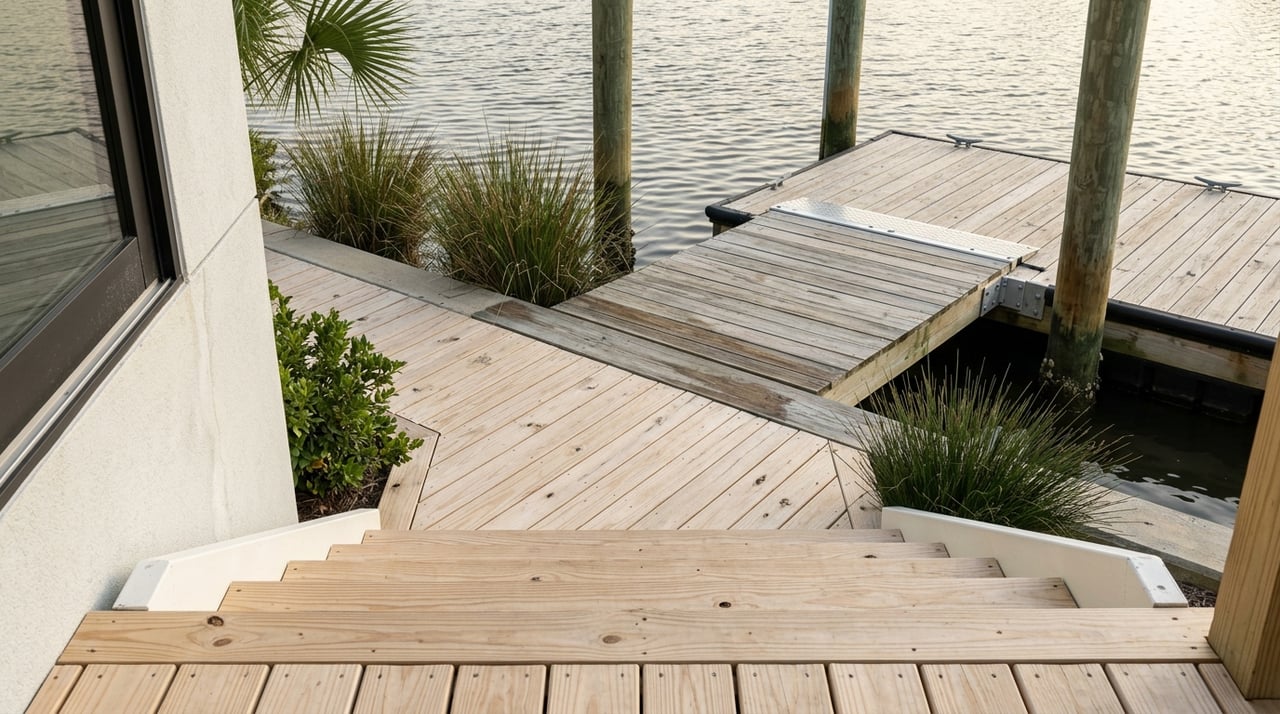
Soundfront or canal homes with docks
- Premium for boating and access to the Intracoastal Waterway.
- Seawall or bulkhead condition, dock size, tidal depth, and elevation matter.
- Attracts buyers who prioritize water access and gear storage.
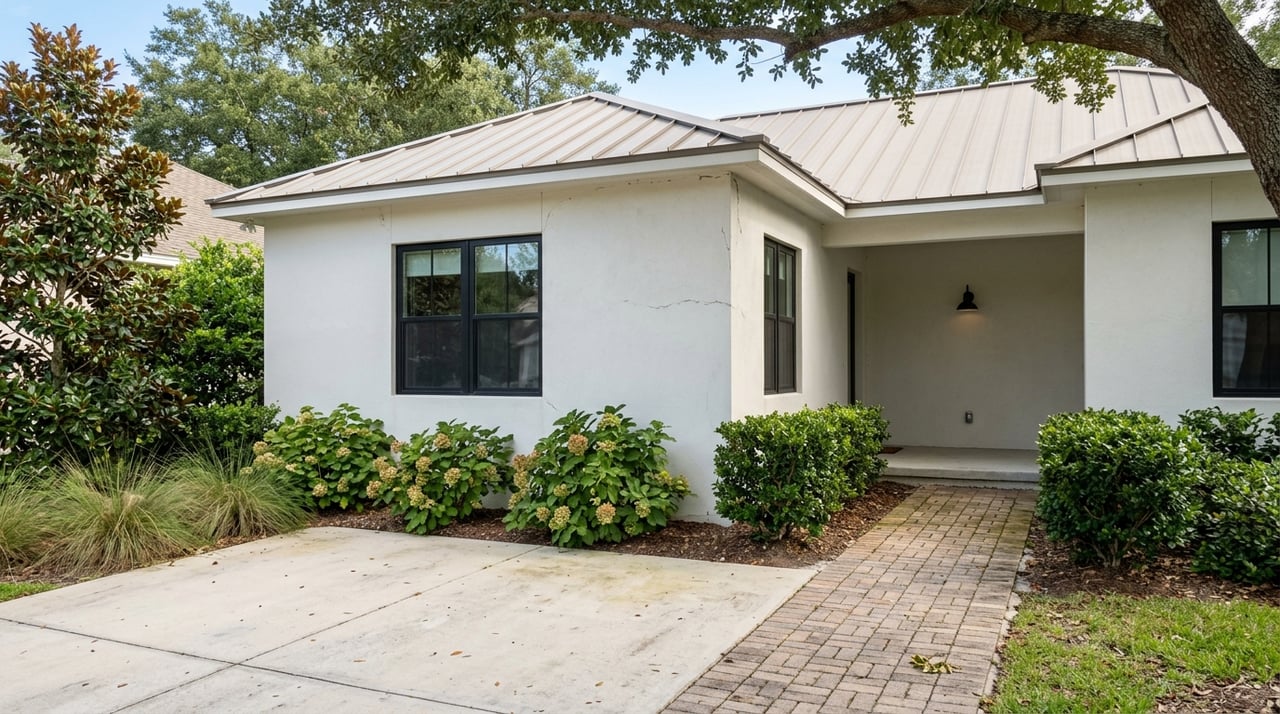
Inside-island single-family homes
- Broad middle market, including primary residences and some investor interest.
- Proximity to beach access, parking, storage, and elevation can nudge value up or down.
Condos and townhomes
- Entry-level and middle-market options, often attractive to part-time owners and STR-focused investors.
- Association rules, maintenance reserves, and short-term rental policies are key value drivers.
Price bands and what moves them
Every local market has approximate tiers. In Surf City, entry-level typically includes smaller condos or older inland homes, the mid-market includes inside-island single-family and updated condos, and the premium tier covers oceanfront and high-end soundfront properties. Exact bands should come from recent local MLS data and a defined time window.
Here are examples of features that can lift a property from mid to premium within its category:
| Feature set |
Mid-market example |
Premium example |
| Location |
Inside-island, short walk to beach |
Direct oceanfront or soundfront with wide views |
| Elevation & mitigation |
Elevated with standard vents |
Elevated, engineered flood vents, impact-rated openings |
| Outdoor living |
Basic deck or patio |
Multi-level decks, outdoor shower, private dune crossover or upgraded dock |
| Parking & storage |
Driveway, small storage |
Covered parking, oversized storage for boards, kayaks, and gear |
| Condition |
Clean, functional updates |
Recent renovations, upgraded systems, hurricane-ready features |
| STR potential |
Allowed, average occupancy |
Strong STR history, guest-ready furniture package, proven peak-season rates |
Use these as a reference when comparing two similar homes that seem far apart in price. Often the difference is in details that reduce risk, improve enjoyment, or drive rental income.
Days on market and leverage
Seasonality shows up clearly in days on market and negotiation power.
- Peak months: Days on market tends to shorten. Sellers get more showings and stronger offers. Buyers face more competition and less room for concessions.
- Off-season: Days on market lengthens. You’ll see more price reductions and credits for repairs or closing costs. Flexible closing timelines are more common.
Smart strategy relies on multi-year monthly trends, not a single year. Storms or one-off events can skew results, so look at 3 to 5 years of monthly DOM, list-to-sale price ratios, and inventory to make timing decisions.
Buyer timing tips
If you are buying in Surf City, align your plan with the calendar and your goals.
- Define your use case. Second home, primary residence, or STR investment. Each has a different tolerance for timing and features.
- Consider off-season shopping for leverage. You may find less competition and more negotiation room, but plan for weather-related inspection limits.
- Verify flood and homeowners insurance early. Elevation, wind coverage, and storm deductibles affect your total cost.
- If STR income matters, underwrite with seasonal occupancy in mind. Summer months can be strong, but revenue is concentrated.
- Build a contractor and inspection plan. Roof, deck, dock, and seawall work can be seasonal. Include contingencies that let you complete repairs post-closing if needed.
Seller timing tips
If you are selling, time your prep and pricing to the demand curve.
- Prep for late spring listing. This typically aligns with the highest buyer traffic and faster market times.
- If listing off-season, sharpen your price and presentation. Target out-of-area buyers with immersive visuals and clear property details.
- Document upgrades and storm-ready features. Elevation certificates, flood vents, roof age, window ratings, dock condition, and dune management can reduce buyer friction.
- Plan for flexible showings. Out-of-area buyers may visit on tight schedules. Make access simple and well communicated.
Investor notes for STR properties
Short-term rental rules and performance drive value in beach markets.
- Confirm local STR allowances. Understand permit processes, occupancy limits, taxes, and any minimum-night requirements.
- Request recent rental history. Ask for booking calendars, gross revenue by month, average daily rates, and cleaning or management costs.
- Underwrite seasonality conservatively. Peak income often clusters in summer, with shoulder-season weeks filling later.
- Budget for carrying costs. Insurance, utilities, maintenance, and reserves add up outside peak months.
Local due diligence that affects value
A few local risk and maintenance items have oversized impact on pricing and negotiation in Surf City.
- Flood and insurance: Check flood maps, elevation certificates, and mitigation features. Get quotes for flood and homeowners policies at the offer stage.
- Hurricane readiness: Know roof age, window and door ratings, wind mitigation, and any recent storm repairs. Atlantic hurricane season is June through November.
- Coastal wear and tear: Salt air and humidity accelerate maintenance. Inspect decks, railings, siding, HVAC, and exterior metals for corrosion.
- Water access structures: For soundfront or canal homes, confirm seawall or bulkhead condition, dock permits, and tidal depth.
Where to get the right numbers
To fine-tune your timing and pricing, pull recent local data for Surf City and Topsail Island.
- Local MLS monthly stats: Median sale price, new listings, active inventory, months of supply, list-to-sale price ratio, and days on market by month.
- Segment by property type: Oceanfront, soundfront or canal, inside-island single-family, and condos.
- Use multi-year comparisons: A 3 to 5 year monthly view helps you see true seasonality instead of one-off spikes.
- Check municipal resources for STR permits and ordinances if you plan to operate a rental.
With the right local stats, you can answer the big questions clearly: how much faster homes sell in peak months, whether summer produces higher sale prices, and how negotiation power shifts in the fall and winter.
Ready to map this to your goals, budget, and timeline? Let’s put a plan together for your next move in Surf City.
If you want personalized guidance, schedule a free consultation with Ariana Blevins. You will get local strategy tailored to your property type, season, and next-step timeline.
FAQs
What is the best month to buy in Surf City?
- It depends on your goals. Off-season months often offer more negotiation room and less competition, while late spring and summer have the most options but stronger bidding.
How do days on market change in Surf City by season?
- They tend to shorten during late spring and summer when buyer traffic peaks, then lengthen in fall and winter as demand cools.
Do oceanfront homes follow different market patterns?
- Yes. Oceanfront supply is thin and demand is steady in peak months. Elevation, dune condition, and storm-ready features create bigger pricing swings.
Are Surf City condos good entry points for buyers?
- Condos and townhomes often serve as entry-level to mid-market options. Association rules, reserves, and STR policies are key factors to review.
When should I list my Surf City home to sell faster?
- Many sellers aim for late spring to capture peak summer demand. If you list off-season, consider sharper pricing and more targeted marketing.
How does hurricane season affect Surf City real estate?
- Hurricane season runs June through November and can influence insurance timing, inspection logistics, and buyer sentiment, especially after major storms.
What due diligence should an investor do on a rental in Surf City?
- Confirm STR rules and permits, request detailed rental history, underwrite with seasonal occupancy, and verify insurance, maintenance, and management costs.