Thinking about a Topsail Beach home and keep seeing “second row” in listings? You’re not alone. On Topsail Island, “rows” shape your views, beach access, lifestyle, and long-term value. In this guide, you’ll learn exactly what second row means here, how it differs from first row, sound-side, and canal-front, and what to verify before you buy. Let’s dive in.
What “second row” means on Topsail
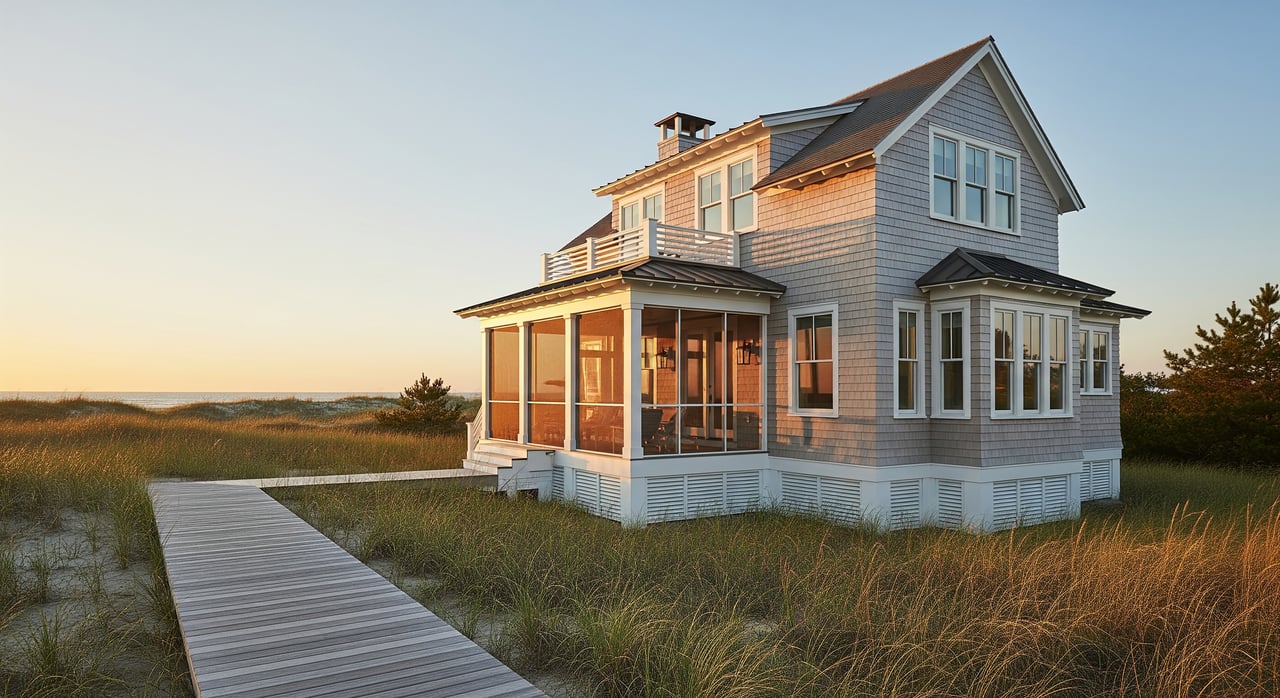
On Topsail Beach, second row usually means a property immediately landward of the first row of oceanfront homes. There is one parcel between you and the beach, often the oceanfront house and dune line. You are not directly on the sand, but you’re very close.
Buyers often expect partial or seasonal ocean views that depend on elevation and sightlines. You can usually get to the beach faster than inland properties, and you may see lower exposure to direct wave action than true oceanfront. Pricing often sits below first row, though demand stays strong.
Second row vs first row
- First row, often called oceanfront or beachfront, directly abuts the dune and beach with no private property in front. It typically offers the best ocean views and the easiest beach access.
- Second row is one tier back. Views can be excellent from elevated decks, but dunes, vegetation, and neighboring homes may limit what you see at lower levels.
- First row brings higher exposure to wind, salt spray, and storm surge, plus stricter building constraints. Second row can balance proximity with slightly less exposure.
Second row vs sound-side and canal-front
- Sound-side homes face the calmer waters on the inland side of the island. They favor kayaking, paddleboarding, sunsets, and boat access in some areas, but they offer less direct beach access.
- Canal-front homes back onto canals connected to the sound or Intracoastal Waterway. Some have docks, bulkheads, or boat slips, subject to permits and maintenance.
- Second row is most about quick beach time and potential ocean views, while sound-side and canal-front focus on boating and tranquil water activities.
What shapes views and access on Topsail
Several natural and regulatory factors affect whether a second-row home delivers the views and beach access you want.
Dunes, elevation, and structures
Primary dunes define where the beach begins. First-row homes typically sit at or seaward of the dune, while second-row homes are landward. Even a second-row home on a raised foundation can enjoy strong ocean views. Trees, fences, and neighboring houses can also create or block view corridors.
Public access and deeded pathways
Topsail Beach places public beach access points along the island at intervals. These align with streets or rights-of-way and provide legal footpaths to the beach. Some homes rely on public access for beach entry, while others have private walkways or deeded access. Always confirm where you and your guests can legally cross.
Setbacks, flood zones, and permits
Coastal rules and local ordinances govern oceanfront setbacks and construction standards. FEMA flood zones, especially V-zones, influence building elevation and foundation types. Second-row parcels may still sit in V or high AE zones depending on elevation and mapping. Verify current maps, base flood elevations, and any planned shoreline projects before you buy or build.
Lifestyle, value, and tradeoffs
Each location on the island offers a distinct lifestyle and cost profile. Here is a quick comparison.
First row at a glance
- Pros: Best ocean views and easiest sand access. Strong rental and resale appeal for ocean-view seekers.
- Cons: Highest exposure to storm surge, wind, and salt spray. Typically higher insurance and maintenance, plus stricter building limits.
- Smart checks: Confirm dune setbacks, current FEMA flood zone, past storm history, nearby public access points, and insurance options.
Second row at a glance
- Pros: Close to the beach at a lower entry price than oceanfront. Potential for excellent views from elevated decks and a balance of access and cost.
- Cons: Views can be blocked by dunes or neighboring homes. Access may rely on public walkovers or a deeded path. Still subject to coastal construction and flood rules.
- Smart checks: Validate sightlines from living areas and planned deck heights. Confirm deeded beach access and review neighbor home heights and any pending build permits that could affect views.
Sound-side and canal-front at a glance
- Pros: Calm-water recreation, potential for private docks or slips, sunset views, and often a quieter feel than oceanfront.
- Cons: Less direct beach access. Canals may be shallow at low tide and require bulkhead and dock maintenance.
- Smart checks: Verify riparian rights, permits and condition for docks or bulkheads, canal depth and dredging history, and any HOA rules.
Buyer checklist for second row on Topsail
Use this quick list to evaluate a second-row opportunity with confidence.
- Views and elevation
- Confirm sightlines from main living areas and planned deck heights. Ask for recent photos or videos taken at those elevations.
- Note dune height, vegetation, and neighbor rooflines that may block views.
- Beach access
- Identify the nearest public beach access points and how you will reach them.
- Check for any recorded, deeded beach access or HOA rules in community documents.
- Flood and construction
- Verify the current FEMA flood zone and whether an elevation certificate exists.
- Understand local coastal construction standards and setbacks for future improvements.
- Surroundings and projects
- Look for ongoing or planned beach nourishment and dune restoration that may change access or dune width.
- Review neighbor building plans that could alter future sightlines.
- For canal or sound-side alternatives
- Confirm navigability at various tides, dock or lift permits, and bulkhead condition.
Common Topsail scenarios to consider
- Elevated second row near a public access: Great for quick beach time and stronger views from top decks. Expect more foot traffic nearby.
- Low second row behind high dunes: You may enjoy beach proximity but have limited ground-level views. Upper decks could still capture ocean glimpses.
- Second row in an area with recent nourishment: Wider dunes and beach can be a plus for resilience and recreation. Walkover locations may shift over time.
How to verify a specific address
You can confirm the details that matter before you write an offer.
- Contact the Town of Topsail Beach planning and building staff for public access maps, beach management information, and local setback rules.
- Pull the parcel in Pender County GIS to review boundaries, assessor data, and any recorded easements.
- Check FEMA flood maps for the current zone and base flood elevations. Ask for any existing elevation certificate.
- Review North Carolina Division of Coastal Management guidance on ocean hazard areas and permits.
- If canal-front is in play, ask local marine authorities about canal depth, dredging, and navigation.
- Consult a licensed surveyor or coastal engineer to verify elevations, setbacks, and proposed structure siting.
- Work with a local broker to compare recent, similar sales and confirm neighborhood norms for access and view potential.
Note: “First row” and “second row” are commonly used local terms, not legal designations. Always rely on parcel maps, recorded documents, and municipal regulations for final decisions.
Ready to compare options?
Whether you want waves at your doorstep or a quiet deck with ocean breezes one tier back, you deserve clear, local guidance. If you are weighing second row vs oceanfront or exploring sound-side and canal-front, let’s map your view lines, access points, and flood details together. Schedule a free consultation with Ariana Blevins.
FAQs
What does “second row” mean on Topsail Beach listings?
- It refers to a home immediately landward of the first row of oceanfront properties, with one parcel between the house and the beach.
Will a Topsail Beach second-row home have ocean views?
- Sometimes. Views depend on elevation, dune height, and neighboring homes or vegetation, so verify sightlines from the actual living levels.
How close is the beach from a second-row property on Topsail?
- You are typically one tier behind oceanfront, often near public access paths or a deeded route. Confirm the exact access point for the specific lot.
How do flood zones differ for first vs second row on Topsail?
- First-row homes are more often in FEMA V-zones with stricter standards and higher insurance. Second row can still be V or high AE depending on elevation, so check current maps.
What permits apply to Topsail Beach canal-front docks or bulkheads?
- Dock and bulkhead work typically requires county and state coastal permits, and sometimes federal approval. Verify specifics before planning improvements.
Who can confirm deeded beach access for a Topsail property?
- Check the recorded deed and community documents, review Pender County records, and consult the Town of Topsail Beach for public access maps and policies.